
Construction Adjudication
Get specialist Construction Adjudication advice
GET A FREE CONSULTATION TODAYWhat is construction adjudication?
Construction adjudication is an adversarial dispute resolution process. It is implied by law into most UK construction contracts (although there are exceptions) and provides a quick process for resolving disputes by referring them to an independent third party adjudicator to give a decision. It is generally the cheapest and quickest form of formal adversarial dispute resolution available.
Our construction adjudication services
Adjudication is extremely fast-paced and is often a testing and stressful process. It is important that you have an experienced representative on-hand. CCC work for you and with you, using our extensive experience in acting in adjudications for both claiming and defending parties. We are often able to take the first steps on the same day that we are instructed.
Our adjudication process includes:
- Initial case assessment
We review your position and provide practical guidance on whether adjudication is the right approach for your dispute. - Preparation of referral or response documents
Our team drafts clear, persuasive documents that set out your case or defence, supported by relevant evidence. - Strategic advice throughout the process
Adjudication is fast-paced. We keep you informed at every stage and ensure you’re making the right decisions in line with your objectives. - Representation in adjudication proceedings
We act on your behalf, managing all correspondence with the adjudicator and the opposing party to keep the process on track. - Enforcement of adjudicator’s decisions
If your opponent refuses to comply with an adjudicator’s decision, we can assist you in enforcing it through the courts if necessary.
Why choose CCC for adjudication in construction?
- We have been involved in over 1,000 adjudications.
- We have been involved in statutory adjudication since it was introduced, and contractual adjudication before this.
- Our consultants are highly trained.
- We have provided training in adjudication to lawyers at major adjudication conferences.
- All of our principal consultants are members of the Adjudication Society.
- Our adjudication cases have been heard in the High Court and the Court of Appeal and are now cited as authority.
- We have a number of very experienced consultants in this field and can react very quickly and cost-effectively when prosecuting and defending adjudications.
You may also be interested in reading:
Construction adjudication is a fast, documents-based procedure. Although each case varies, the key procedural elements are broadly the same. The guidance below explains the main …
Read MoreConstruction adjudication is primarily governed by statute. The following explains the key legal instruments and the rights they provide. The Housing Grants, Construction and Regeneration …
Read MoreAdjudication decisions are binding but not final. The rules governing mistakes, challenges and appeals are strict and limited. If the Adjudicator Gets It Wrong or …
Read MoreAdjudication decisions are expected to be complied with promptly. The courts provide a fast and supportive enforcement mechanism. If a Party Does Not Comply with …
Read MoreAdjudicators play a central role in ensuring that construction adjudication is fair, independent and efficient. Who Is the Adjudicator and What Do They Do? The …
Read MoreFree initial enquiry
We would ideally be involved as soon as possible and before an adjudication notice is served. Whatever stage you are at, you can increase your prospects of success immediately by discussing matters with us. A free initial consultation with us at an early point could mean a drastically different result at the end of an adjudication.
We offer a free one hour initial consultation for new clients. Please contact us by phone, email or using our contact form for a free initial consultation. We can discuss how we can help you get the most out of the adjudication process.
GET A FREE CONSULTATION TODAY
Construction Adjudication FAQs
Adjudicator rates and overall fees vary greatly between different adjudicators and for different disputes.
Adjudicator fees are charged at hourly rates multiplied by the time spent in the adjudication, plus some expenses or disbursements (if any).
The adjudicator determines which of the parties pays their fees and expenses, and in what proportion.
Adjudicators normally decide this on the basis that ‘costs follow the event’, in other words, the loser of the adjudication pays the adjudicator’s fees and expenses.
Sometimes an adjudicator might decide to apportion fees in a different way. For example, if a party won but made a lot of points which the adjudicator did not think were appropriate and increased costs, they might decide that they have to pay some of their fees.
The Construction Act gives a party to a construction contract the right to refer a dispute arising under the contract to adjudication.
What constitutes a ‘dispute’ can cover a single issue between the parties (such as a single disputed variation) or everything in dispute between them at the time. For example, there might be a dispute over all of the parties’ respective entitlements at interim application or final account stage, including arguments about the work in the original scope, variations, delay, extension of time, loss and expense, defects and contra-charges.
The wording of the adjudication clause can also affect what matters can be referred to adjudication.
The adjudication timeline depends on:
A referring party serves a notice of adjudication, then has 7 days to commence an adjudication by serving its referral. The adjudicator then has to reach a decision within 28 days from the date of the referral. This can be extended by up to 14 days by the referring party only, or longer if both parties agree.
Many adjudications take 5-8 weeks.
Subject to statutory limitation periods which bar claims (12 years for deeds and 6 years for other contracts), a party can take as long as it likes to prepare its adjudication documents before starting an adjudication.
Yes, but it is often not advisable to refuse to participate, as the adjudicator should proceed to make a decision anyway if they have jurisdiction.
Sometimes there might be good reason not to participate, for example if you are certain the Adjudicator does not have jurisdiction, but you should always seek specialist advice.
Yes, final account disputes, including those involving outstanding payments, variations, or extensions of time, can be referred to adjudication.
Yes.
In recent years, to address concerns about the growing expense and complication of adjudication, low value adjudication procedures have been produced and are growing in popularity.
The Royal Institution of Chartered Surveyors (RICS) acts as an adjudicator nominating body and allows appointments of Adjudicators to out suitable adjudications subject to the Construction Industry Council (CIC) Low Value Disputes Model Adjudication Procedure.
The Technology and Construction Solicitors’ Association (TECSA) also acts as an adjudicator nominating body and has its own Low Value Disputes Service.
Each of these procedures are different from each other, but they are both intended to deal with more straightforward adjudications of a limited value and they both cap the fees of the adjudicator.
Yes, adjudication is specifically designed to be used even while construction is ongoing. Adjudication is intended to allow work to continue while resolving disputes, helping to maintain cash flow and avoid project delays.
Adjudicator decisions are not considered to be confidential unless the parties have entered into a confidentiality agreement. Some construction contracts include confidentiality provisions and some adjudication rules do as well. An adjudicator’s terms may also include provisions on confidentiality.
That being said, it is probably prudent to keep adjudication confidential.
If your adjudication goes to court for enforcement, then at least some of the details of your dispute are likely to be made public.
The party that started the adjudication is typically referred to as the ‘Referring Party’.
They must draft and issue the notice of adjudication and referral to adjudication and appoint the adjudicator if the Responding Party will not agree to a particular person acting as adjudicator.
The ‘Responding Party’ is the party defending an adjudication. They may provide a Response to the Referral which sets out their position and includes all of the documents they rely on.
Adjudication is a quick, temporary dispute resolution method which results in a decision which is binding but not final, while arbitration is a more formal process that results in a decision (properly called an award) which is both binding and final.
Free initial consultation
Find out moreRelated Insights

Construction Law in 2025 – Key Cases
The Technology and Construction Court (TCC) delivered a number of interesting decisions during 2025. While the year has not been characterised by radical legal change, …
Read more
Endeavours Clauses in Construction Contracts: What Do They Really Mean?
If you have ever reviewed a construction contract you are likely to have seen terms such as “reasonable endeavours”, “best endeavours”, or “all reasonable endeavours …
Read more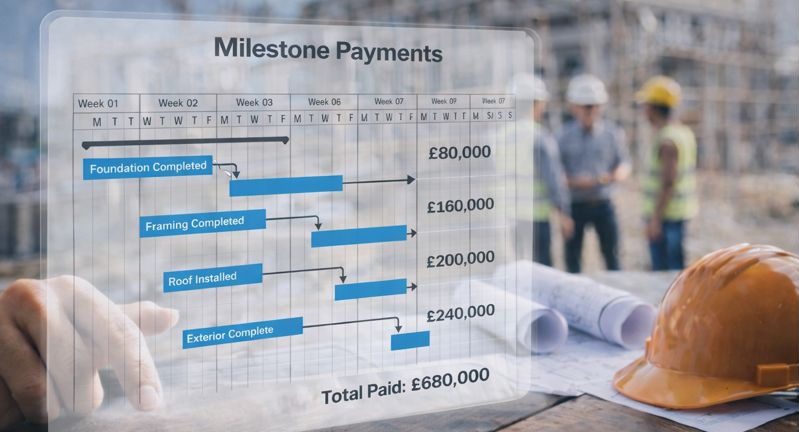
Stage Payments: Lessons from BioConstruct v Grays Thurrock Properties
The recent Technology and Construction Court decision in BioConstruct v Grays Thurrock Properties [2025] EWHC 3143 (TCC) will be of particular interest to working on …
Read moreSign up for Legal Tips & Events
© Copyright Contract & Construction Consultants